Does your dog have pododermatitis? VetHealth can help!
Pododermatitis is the inflammatory process on the skin of the paws. It is not a diagnosis but a clinical manifestation that may or may not be associated with other symptoms.
Due to the many causes and possible consequences, it is imperative to obtain a correct diagnosis. However, with minor exceptions, most paw changes look similar, although the reasons can be completely different.
Factors that your vet should pay particular attention to when making a diagnosis are age, breed, paw shape, presence of other symptoms, duration, and number of paws affected.
The paw's affected tissue shows signs of itching, redness, swelling with or without nodules, hair loss, and sores from which clear or purulent contents can drain.
The paws may be very swollen, while the skin is usually moist and pink from licking. If not treated, scar tissue forms between the toes, complicating the treatment process due to its structure.
Changes can appear only on one or more paws.
The most common forms of pododermatitis:
Allergic dermatitis
This is the most common and is also called atopic pododermatitis. In addition to allergic pododermatitis, allergic reactions to food, and contact pododermatitis, the causes of paw changes can also be secondary bacterial and fungal infections, among others. The most common reasons for the appearance of allergies on the paws are contact with pollen from various plants, mold spores, and house dust mites. Pododermatitis can also spread to the legs and chest of the animal.
Parasitic pododermatitis
Any chronic appearance of pyoderma on the paws can also be a potential parasitic disease. Most often, skin samples are taken for the diagnosis of demodicosis.
Sterile pyogranulomatous pododermatitis
Most often appears in dogs with short hair as an interdigital cyst or nodule with or without drainage (fluid draining from the wound). This pododermatitis is the most persistent, so it often does not respond to classical therapy. It usually "attacks" the front paws, and the diagnosis is made based on the pathohistological findings. It is usually surgically - treated, by the surgical laser or traditional surgical methods. Since this condition can significantly affect the paw's function and, thus, the dog's movement, it is a severe problem.
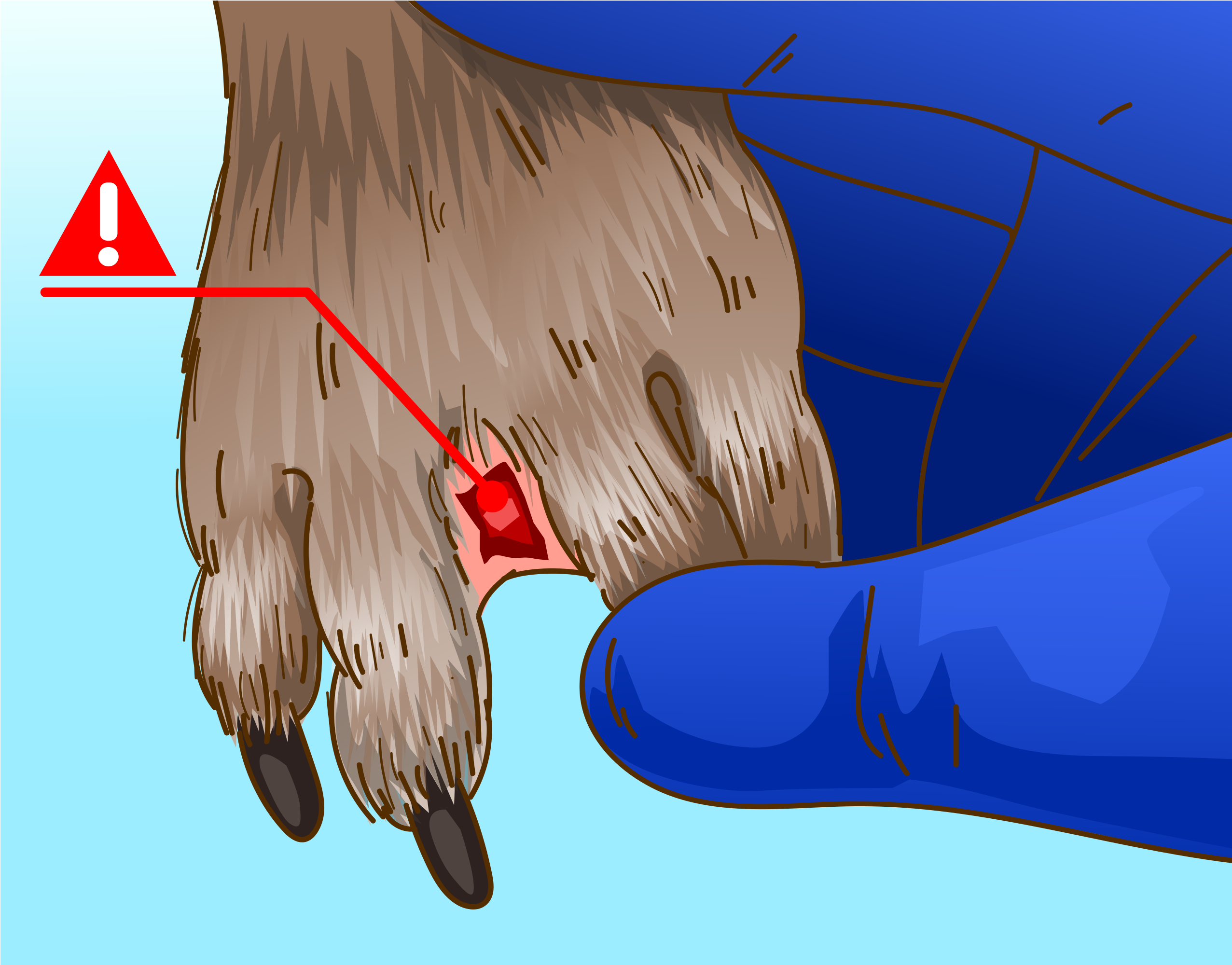
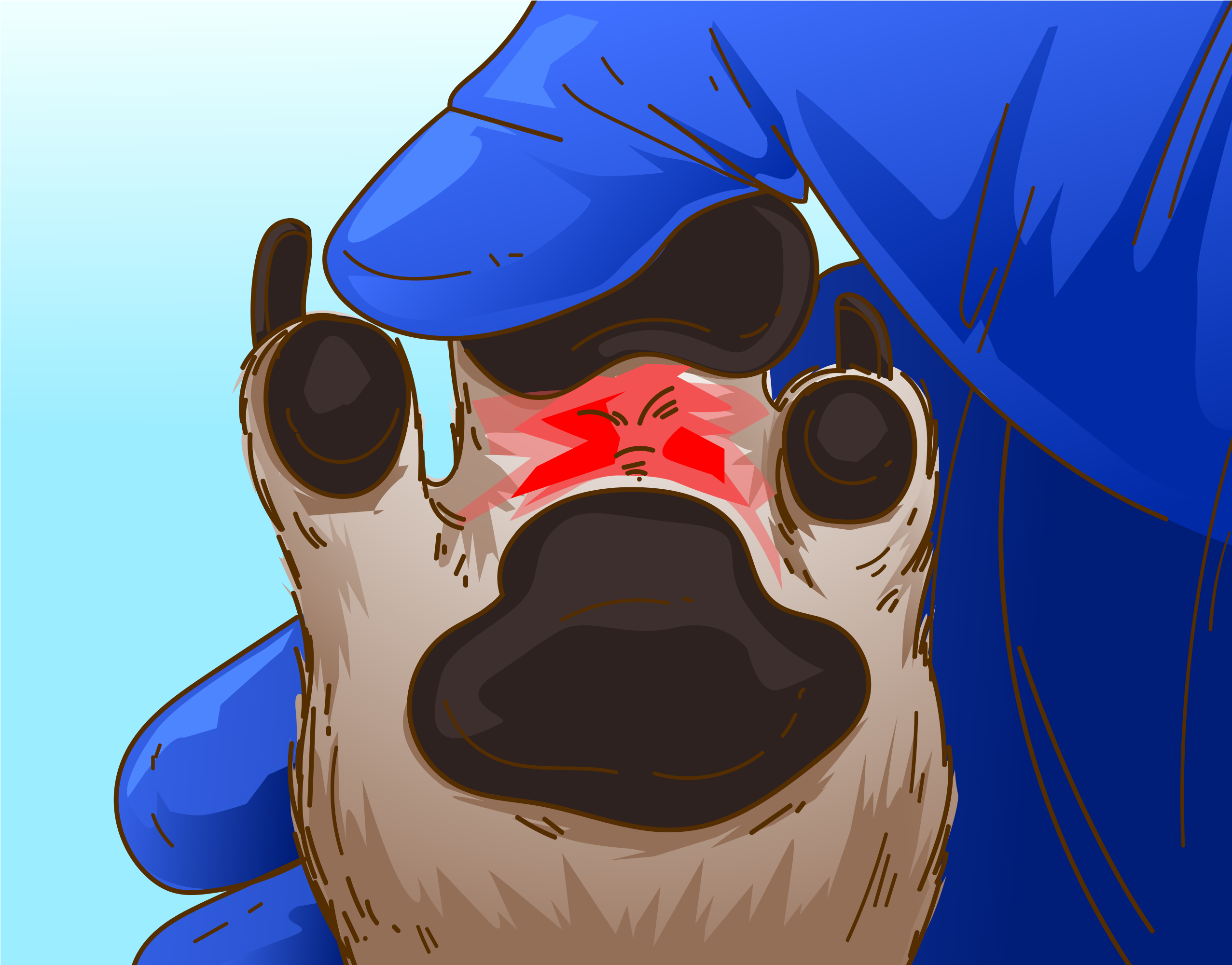
Triggers for the appearance of this type of pododermatitis can be certain bacteria, fungi, pathogenic algae, foreign bodies, or parasites.
When the cause cannot be precisely defined, we call them idiopathic. The disease usually requires lengthy visits to the vet that often do not result in improvement. In the case of deep bacterial pododermatitis, the classic therapy consists of long-term antibiotics, 8-12 weeks. In chronic lesions with serous, purulent, or bloody discharge, surface treatment and application of baths help. The owners should carefully observe the affected areas on the paws during the treatment.
The dog's movements must be restricted if large blocked hair follicles, usually black, or swelling on the paws are observed. It is allowed to move on smooth surfaces only to avoid tissue damage. Treatment is challenging and long-term in cases where secondary gram-negative infections appear.
This form occurs seasonally, often in late summer when ragweed is in bloom. The use of corticosteroids achieves a powerful anti-inflammatory, immunosuppressive effect. Still, the use of corticosteroids in certain diseases only alleviates or removes the symptoms but most often does not remove the causes of the disease. It makes sense to use corticosteroids only when, in addition to treating the symptoms, we also treat the cause of the disease. The side effects of systemic corticosteroids are numerous and might even be severe in the case of long-term therapy. For example, Cushing's syndrome, suppression of the response to infection or injury, peptic ulcer disease, or adrenal atrophy may occur.
However, we have excellent results with VetHealth oil - it works for all kinds of allergies, including pododermatitis, so feel free to contact us for a recommendation on strength and dosage because each case is individual!
In addition, after an extended stay in nature, it is good to wash the legs and belly, or the whole dog (if it is small) - in a neutral mild shampoo to mechanically remove allergens.

Your VetHealth
#volimoihbezuvjetno #vethealth_hrvatska
IMPORTANT: This text is not a substitute for veterinary diagnosis - therefore, if your pet has the symptoms listed in the text, seek the help of a veterinarian!
Most Read

Malassezia in dogs
Many vets consider dermatitis caused by the fungus Malassezia to be a secondary condition - in the sense that the cause often lies in other conditions...
Read more
Spring is in the air
Dogs, like people, can suffer from allergies, which can significantly affect their quality of life.
...
Read more
Care for older dogs
One of the first signs of aging, especially in larger dogs, is difficulty moving.
...
Read more